Creating a home office that is both relaxing and productive is essential for anyone working remotely or spending considerable time on projects at home. A well-designed workspace can improve focus, reduce stress, and foster creativity, ultimately enhancing work satisfaction and efficiency.
In this blog post, we’ll explore practical tips to help you build an environment conducive to both relaxation and productivity.
Importance of a Balanced Home Office Environment
Working from home offers flexibility but can also blur the lines between professional and personal life. Without a proper setup, distractions can mount, and working hours may extend unnecessarily. Striking the right balance in your home office encourages mental clarity and helps maintain a healthy work-life routine.
Choosing the Right Location
Find a Quiet Spot
Select a room or corner where interruptions are minimal. Away from household noise, this spot should allow you to concentrate fully.
Natural Light is Key
Position your desk near a window if possible. Natural light boosts mood and energy, reducing eye strain from artificial lighting.
Consider Ventilation and Temperature
A fresh and comfortably cool or warm environment supports alertness and prevents discomfort during work hours.
Desk and Chair: Comfort Meets Functionality
Invest in an Ergonomic Chair
A supportive chair with adjustable height and back support prevents posture issues and fatigue.
Opt for a Spacious Desk
Choose a desk large enough to accommodate your devices and essential materials without clutter.
Declutter Regularly
Keep your desktop clean and organised. A tidy surface reduces distractions and promotes productivity.
Lighting: Set the Right Tone
Use Task Lighting
Add a desk lamp with adjustable brightness to focus light where needed, especially for detailed work.
Avoid Glare
Position screens and lighting to prevent reflections and eye strain.
Consider Warm Lighting for Relaxation Breaks
A softer, warmer light can help lower stress during rest periods.
Personalise Your Space
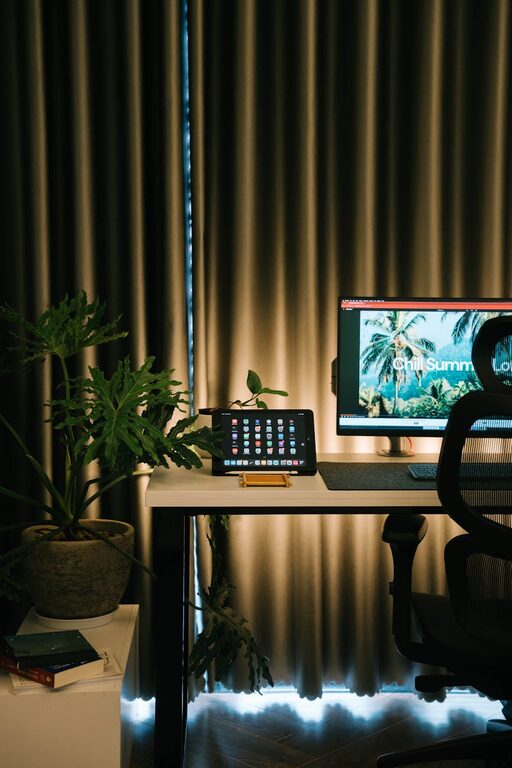
Add Plants
Indoor plants not only enhance aesthetics but also improve air quality and promote calmness.
Include Personal Items Sparingly
Photos, artwork, or meaningful objects can boost morale, but keep them minimal to avoid distraction.
Use Calming Colours
Choose paint or accessories in soft blues, greens or neutrals to create a soothing atmosphere.
Technology Setup for Efficiency
Reliable Internet Connection
Certainly essential for most home work, a strong and stable connection keeps tasks running smoothly.
Organise Cables
Use cable management solutions to keep cords untangled and off your workspace.
Use Noise-Cancelling Headphones
If your environment is noisy, these can help maintain focus without distraction.
Manage Time and Breaks Effectively
Employ the Pomodoro Technique
Work in focused intervals followed by short breaks to maintain productivity and mental freshness.
Create a Timer or Schedule
Set clear start and finish times to avoid overworking and encourage downtime.
Use Break Time to Move Around
Stretch or take a short walk to reduce tension and recharge.
Storage and Organisation
Use Shelves and Drawers
Keep documents and supplies organised and accessible without cluttering the desktop.
Label Storage Boxes
Clear labelling helps quickly find what you need and encourages tidiness.
Regularly Review and Purge
Discard items you no longer need to maintain a clean workspace.
Incorporate Relaxation Elements
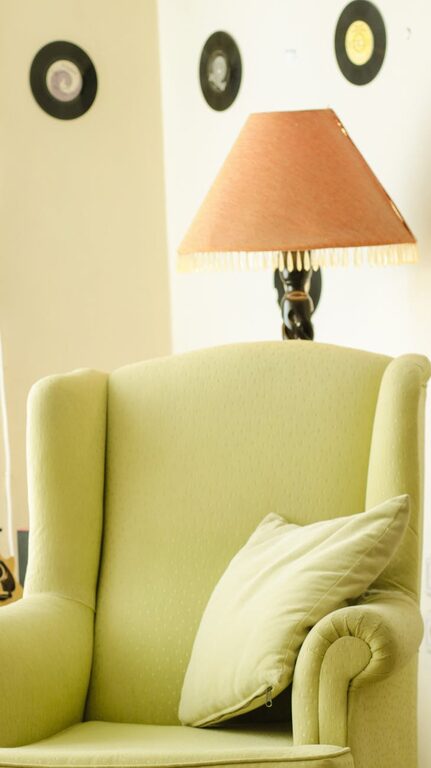
Add a Comfortable Chair or Cushion
Having a cosy spot to sit during breaks reminds you to relax.
Use Aromatherapy or Essential Oils
Scents like lavender or eucalyptus can promote calm and reduce stress.
Play Soft Background Music
Light instrumental music or nature sounds might enhance concentration and mood.
Maintain Work-Life Boundaries
Set Clear Limits
Separate your work area from living spaces to mentally disconnect when not working.
Dress for Work
Changing into work clothes can help signal the start and end of the working day.
End Your Workday with a Ritual
Switch off devices and close the workspace with a consistent habit to mark the transition.
Conclusion
Creating a home office environment that supports both relaxation and productivity doesn’t require expensive products or extensive renovations. By thoughtfully choosing the location, investing in ergonomic furniture, managing technology, and incorporating personal touches and relaxation aids, you can design a space that helps you work efficiently while staying calm and comfortable.
A harmonious home office encourages a better workflow, reduces stress, and supports overall wellbeing. Start small by implementing a few of these tips, then tailor your space over time to fit your unique needs and preferences. With the right environment, working from home can be both enjoyable and highly productive.
About the Author