
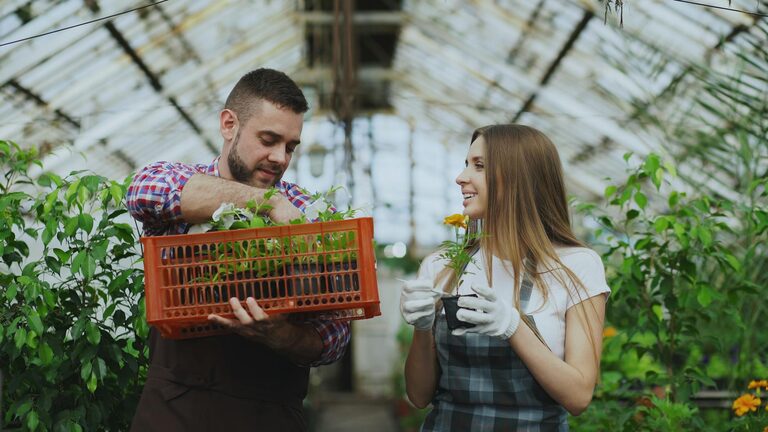
Creating a garden that is both sustainable and enjoyable throughout the year is a rewarding project. Whether you have a small balcony, a backyard, or even a few pots on a windowsill, you can craft a green space that supports local wildlife, reduces waste, and provides fresh produce or relaxing greenery all year long. In this guide, we’ll explore practical steps and ideas to help you design and maintain a garden that flourishes with the seasons.
Why Choose a Sustainable Home Garden?
Sustainable gardening involves practices that are environmentally friendly, conserve resources, and support biodiversity. It means using methods that reduce waste, avoid harmful chemicals, and make the best use of natural cycles.
Benefits include:
– Reduced environmental impact
– Healthier plants and soil
– Lower water and energy use
– A habitat for beneficial insects and birds
– A beautiful space that changes with the seasons
Planning Your Garden for Year-Round Success
Before you start planting, thoughtful planning is essential.
Assess Your Space and Conditions
Know your garden’s size, soil type, sunlight exposure, and microclimate. Note aspects like:
– Which areas get full sun, partial shade, or full shade
– Soil condition: clay, sandy, loamy, or raised beds
– Rainfall and wind exposure
This information helps select suitable plants and design smart layouts.
Design with Seasons in Mind
Plan the garden so something is always thriving no matter the season. Consider these points:
– Include evergreen shrubs or plants with winter interest such as holly or hellebore
– Plant early flowering bulbs like crocus or snowdrops
– Choose vegetables and herbs with staggered harvest times
– Allow space for summer perennials and autumn berries
Choosing Plants for Sustainability and Enjoyment
Selecting the right plants is critical for a sustainable and pleasant garden.
Native and Adapted Plants
Native plants are well suited to local growing conditions and usually require less water and care. They provide nectar and shelter for native wildlife. Some examples in the UK include bluebells, foxgloves, and rowan trees.
Edible Gardens
Growing your own fruits, vegetables, and herbs reduces food miles and packaging waste, plus it’s highly satisfying.
Plants to try for year-round harvest:
– Spring: peas, radishes, spinach
– Summer: tomatoes, beans, courgettes
– Autumn: kale, leeks, carrots
– Winter: winter cabbage, garlic, Brussels sprouts
Companion Planting
Certain plants grow well together and can naturally repel pests or improve growth. For example, planting marigolds near tomatoes is believed to deter harmful insects.
Sustainable Gardening Practices
Once your garden is established, maintain it with practices that protect the environment.
Water Wisely
Use water butts to collect rainwater rather than relying on mains water. Water in the early morning or late evening to reduce evaporation.
Composting and Mulching
Recycle garden and kitchen waste by composting, which enriches your soil naturally. Mulch garden beds with organic material to retain moisture and suppress weeds.
Avoid Chemicals
Use organic fertilisers and natural pest control methods instead of synthetic sprays or herbicides.
Encourage Wildlife
Install bird feeders, bug hotels, and plant wildflower patches to support beneficial insects and birds.
Keeping Your Garden Enjoyable Throughout the Year
A garden should be a relaxing and engaging space no matter the month.
Regular Maintenance
Spend time trimming, weeding, and refreshing your plants to keep the area tidy and healthy.
Seasonal Activities
– Spring: sow seeds, prepare soil, plant bulbs
– Summer: harvest crops, deadhead flowers, monitor pests
– Autumn: rake leaves, plant shrubs, prune
– Winter: plan for next year, clean tools, protect sensitive plants
Create Comfortable Spaces
Add seating, outdoor lighting, or simple features like stepping stones to make your garden a pleasant spot for reading, family dinners, or morning coffee.
Final Thoughts
Designing a sustainable and enjoyable home garden is an ongoing journey that connects you with nature and benefits your wellbeing. With careful planning, thoughtful plant choices, and eco-friendly habits, your garden can be a vibrant sanctuary throughout the year.
Happy gardening!
About the Author