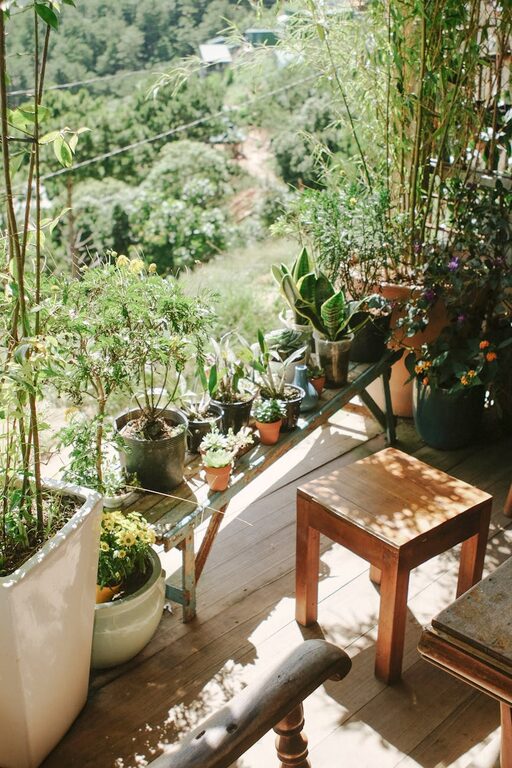
Creating a relaxing home garden space is a wonderful way to bring peace and tranquility into your daily life. Whether you have a large backyard or a small balcony, a thoughtfully designed garden can provide a soothing environment to escape from the hustle and bustle. In this post, we’ll explore practical tips to help you create a calming oasis tailored to your preferences and lifestyle.
1. Choose the Right Location
The first step to a relaxing garden is selecting the perfect spot. Consider the following:
– Sunlight: Decide whether you want a sunny or shaded space. Some plants thrive in bright sun, while others prefer partial shade.
– Accessibility: Make sure the garden is easy to access from your home so you can enjoy it frequently.
– Privacy: If possible, choose a location that feels private or create privacy using shrubs, fences, or trellises.
Finding the right location sets the foundation for a peaceful garden retreat.
2. Select Calming Plants
Plants play a big role in creating a relaxing atmosphere. Choose varieties known for their calming effects:
– Lavender: Known for its soothing scent.
– Jasmine: Offers delicate flowers and fragrance.
– Ferns and Grasses: Add gentle movement with the breeze.
– Herbs: Rosemary and mint provide fresh scents and can be used in cooking.
Mix evergreen and seasonal plants to keep your garden inviting all year round. Also consider plants that attract butterflies and birds to bring your garden to life.
3. Create Comfortable Seating Areas
A relaxing garden should have a dedicated spot to sit and unwind. Here are some ideas:
– Benches: Classic and simple, perfect for smaller spaces.
– Hammocks or Swings: Ideal for gentle rocking and deep relaxation.
– Outdoor Chairs and Tables: Great for enjoying tea or reading.
– Cushions and Blankets: Add softness and warmth for cooler days.
Place seating where you can enjoy your favourite views, such as near flowers, a water feature, or under a shady tree.
4. Incorporate Water Features
Water features add a soothing sound that can mask background noise and promote calmness. Some options include:
– Birdbaths: Attract birds while adding a reflective surface.
– Small Fountains: Offer gentle trickling sounds.
– Ponds: Create a habitat for wildlife and add visual interest.
Even a simple water bowl can enhance the sense of tranquility in your garden.
5. Use Soft Lighting
Soft lighting extends the enjoyment of your garden into the evening and creates a cosy atmosphere:
– Solar Lights: Easy to install and eco-friendly.
– String Lights: Add a magical touch around seating areas or along fences.
– Lanterns and Candles: Provide warm, flickering light but should be used safely.
Ensure lighting is subtle rather than harsh to maintain the calming vibe.
6. Add Natural Textures and Materials
Incorporate natural materials like wood, stone, and wicker to make your garden feel harmonious with nature:
– Wooden Planters and Furniture: Bring warmth and a rustic feel.
– Stone Pathways or Borders: Offer texture and structure.
– Natural Fibre Rugs or Mats: Define seating spaces outdoors.
These textures contribute to a relaxing sensory experience.
7. Minimise Clutter and Noise
Keep your garden tidy and free from unnecessary objects to avoid visual clutter, which can cause stress. Regular maintenance, such as pruning and weeding, helps the space feel cared for and inviting.
If there’s noise from neighbours or traffic, consider planting dense hedges or installing sound barriers to create a quieter environment.
8. Personalise Your Space
Make your garden uniquely yours by adding elements that reflect your personality and interests:
– Artwork or Sculptures: Small statues or garden art can add character.
– Wind Chimes: Their gentle sounds enhance the peaceful mood.
– Books and Magazines: Keep a small waterproof storage box of your favourite reads.
– Favourite Plants: Include your beloved flowers or homegrown vegetables.
Personal touches make your garden a sanctuary where you truly feel at home.
9. Consider Seasonal Changes
Plan your garden so it remains appealing throughout the year:
– Spring: Focus on bulbs and early blooms.
– Summer: Enjoy vibrant colours and lush foliage.
– Autumn: Add plants with interesting leaves or berries.
– Winter: Incorporate evergreens and structures that look good even without leaves.
This way, your garden is a source of relaxation no matter the season.
Conclusion
Designing a relaxing home garden space isn’t about perfection but about creating a place where you feel at ease and connected to nature. By choosing the right location, plants, seating, and features, you can craft a peaceful retreat that invites rest and enjoyment every day. Start small, follow your instincts, and most importantly, enjoy the process of building your very own green haven.
About the Author