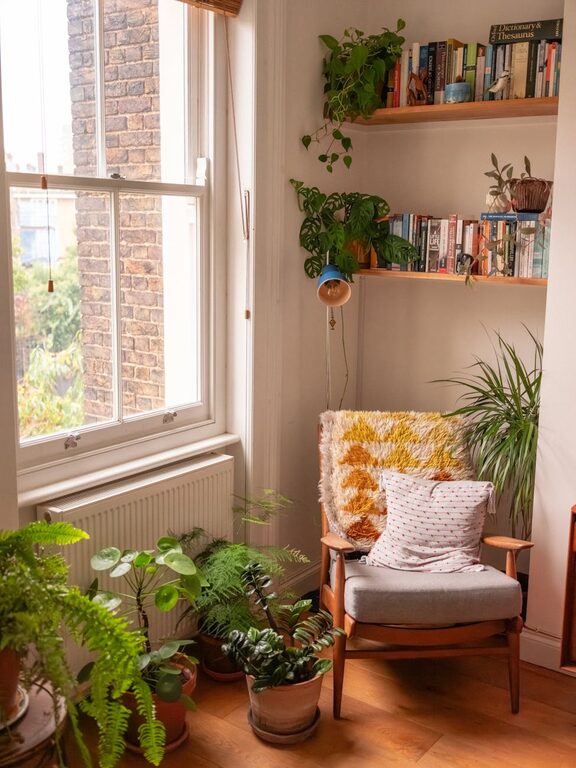
Creating a cosy reading nook at home is a wonderful way to carve out a personal retreat dedicated to relaxation and literary escape. Whether you have a small corner, an unused alcove, or even a spot by a window, arranging a space that invites you to settle down with a book can make a huge difference to your reading experience. Here are some practical tips to help you design a reading nook that feels warm, inviting, and perfectly suited to your needs.
Choose the Right Spot
The first step is selecting a suitable location. Ideally, find a quiet area with a bit of natural light. Near a window is often best because daylight creates a pleasant atmosphere and reduces eye strain when reading. If natural light isn’t an option, plan to add good lighting.
Consider these possible spots:
– Under the stairs or in a small alcove
– A corner of the living room or bedroom
– A bay window or window seat
– Even a small section of a large bookshelf area
Comfortable Seating
Comfort is key for a successful reading nook. You want a seat that promotes relaxation without compromising posture. Here are some ideas:
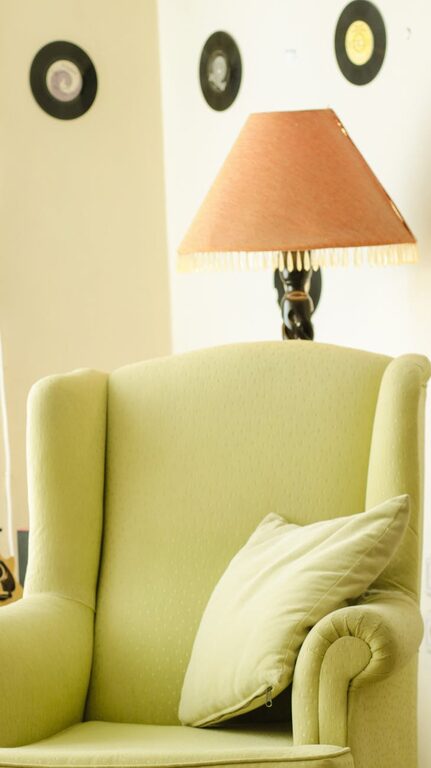
– A cushioned armchair or upholstered lounge chair
– A bean bag chair or floor cushions for a casual vibe
– A window bench adorned with soft pillows
– A small sofa or loveseat if space allows
Be sure to add cushions and throws for extra warmth and softness. Mix textures like wool, cotton, or faux fur to make the area feel homely.
Lighting Matters
Good lighting is essential, especially for reading in the evenings. Aim for layered lighting:
– Natural light during the day through windows or skylights
– A good reading lamp such as a floor lamp or adjustable table lamp with warm, focused light
– Soft ambient lighting to create atmosphere, like fairy lights or candles (real or battery-operated)
Avoid harsh, direct overhead lights as they can cause glare and discomfort.
Storage for Books
Having your favourite books close by encourages you to spend more time reading. Storage solutions can also enhance the nook’s character.
– Install floating shelves or small bookcases near your seat
– Use baskets to hold magazines and books on the floor
– Incorporate book storage within benches or under seating if you build a custom nook
Keep only what you love or currently want to read to avoid clutter.
Decorate with Personal Touches
Your reading nook should feel customised and welcoming. Add elements that bring you joy and relaxation:
– Artwork or framed prints that inspire calm or curiosity
– Plants for a fresh, natural vibe and cleaner air
– A small side table for your tea, coffee, or reading glasses
– Soft rugs or carpets to warm the floor space
Personal touches make the nook uniquely yours and encourage regular use.
Keep It Tidy and Inviting
Regularly declutter your nook. A clean, organised space is more inviting and easier to settle into for long reading sessions. Simple habits include:
– Putting books back on shelves after reading
– Keeping blankets and cushions neatly arranged
– Wiping surfaces and dusting shelves often
Consider Sound and Smell
A cosy reading nook appeals to all senses:
– If noise is a concern, use a white noise machine, soft music, or noise-cancelling headphones to block distractions.
– Introduce subtle scents with scented candles, essential oil diffusers, or fresh flowers to create a soothing environment.
Experiment and Adapt
Remember, your reading nook should evolve with you. Don’t hesitate to rearrange furniture, swap cushions, or change lighting to suit the seasons or your mood.
Final Thoughts
A cosy reading nook doesn’t require much space or a major renovation. With thoughtful choices in seating, lighting, storage, and decor, you can create a comforting corner that invites you to pause, unwind, and get lost in the pages of your favourite books. Start with small changes and build your perfect retreat piece by piece—it will become a treasured haven in your home.
About the Author