Creating a productive home workspace is essential for anyone working remotely or studying from home. A well-designed space can help improve concentration, efficiency, and overall work satisfaction. Whether you have a separate room or just a corner of your living area, these tips will guide you in setting up a functional and inviting work environment.
Choose the Right Location
Selecting the ideal spot in your home is the first step. Consider these factors:
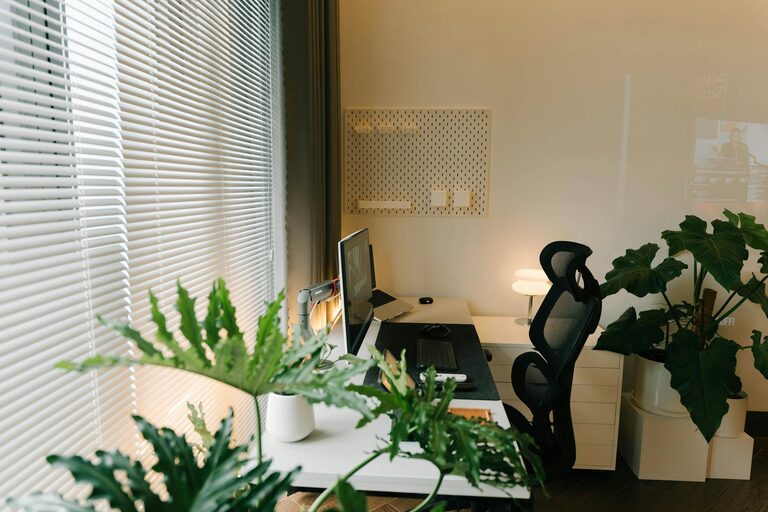
– Natural light: Position your desk near a window if possible. Natural light can reduce eye strain and boost mood.
– Minimal distractions: Find a quiet area away from household noise and busy spaces.
– Space availability: Ensure you have enough room to fit your desk, chair, and any equipment or materials you need.
Invest in Comfortable, Ergonomic Furniture
Comfort is key to maintaining productivity throughout the day.
– Desk: Choose a size that fits your equipment and allows room to work comfortably. Standing desks or adjustable options can support better posture.
– Chair: An ergonomic chair with adjustable height, lumbar support, and armrests helps prevent back pain and fatigue.
– Accessories: Consider footrests, monitor stands, and keyboard trays to setup an ergonomically friendly workspace.
Keep Your Workspace Organised
A clutter-free desk fosters focus and efficiency.
– Use storage solutions such as drawers, shelves, or desk organisers to keep supplies tidy.
– Prioritise only essential items on your desk to avoid distractions.
– Set aside time daily or weekly to clean and declutter your workspace.
Manage Lighting Effectively
Good lighting reduces eye strain and fatigue.
– Supplement natural light with task lighting such as a desk lamp with adjustable brightness.
– Avoid placing screens near windows to reduce glare.
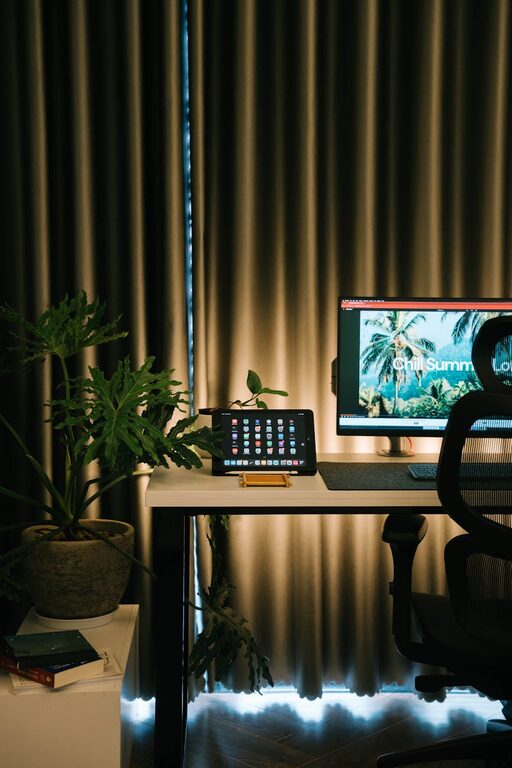
– On darker days, use soft, warm lights to create a comfortable atmosphere.
Personalise Your Space
Adding elements that reflect your personality can make your workspace more welcoming.
– Include plants, artwork, or inspirational quotes.
– Choose colours that promote calm and focus, such as soft blues or greens.
– However, keep personal items minimal to avoid overcrowding.
Establish Clear Boundaries
Creating boundaries helps separate work from home life and improve focus.
– Define your work hours and stick to them.
– Use physical markers, such as a room divider or different chair, to mentally switch between work and relaxation zones.
– Inform household members about your schedule to reduce interruptions.
Use Technology Wisely
Equip your workspace with reliable tools, but avoid unnecessary gadgets that cause distractions.
– Ensure your internet connection is stable for meetings and research.
– Organise cables with clips or ties to keep your desk tidy.
– Use noise-cancelling headphones if your environment is noisy.
Incorporate Breaks and Movement
Regular breaks help sustain productivity throughout the day.
– Follow techniques like the Pomodoro method: work for 25 minutes, then take a 5-minute break.
– Use breaks to stretch, move around, or practise breathing exercises.
– Consider a small space for light exercise near your workspace.
Keep Hydrated and Snack Healthy
Staying refreshed supports mental clarity.
– Keep a water bottle at your desk and sip regularly.
– Choose nutritious snacks like nuts, fruit, or yoghurt over sugary treats.
Stay Connected and Motivated
Working from home can sometimes feel isolating.
– Schedule regular catch-ups with colleagues or study groups.
– Join online forums or communities related to your work or interests.
– Set daily goals and track your progress to maintain motivation.
—
By carefully designing your home workspace with these tips in mind, you’ll create an environment that encourages productivity, comfort, and well-being. Remember, small adjustments can make a big difference to your work-from-home experience.
About the Author